
Founder and Head of Operations
Hannah Whitcombe
Hannah began as a studio camera operator and now oversees scheduling and client relationships for every live job.

Four people run normalvo's live work from Exeter, covering operations, signal engineering, camera and distribution.
Each job is staffed by named people who know their part of the chain, from the camera to the broadcaster's receiving desk. Here is who they are and what they do.
Hannah began as a studio camera operator and now oversees scheduling and client relationships for every live job.

Marcus designs the routing and monitoring setups that keep feeds stable from venue to transmission.
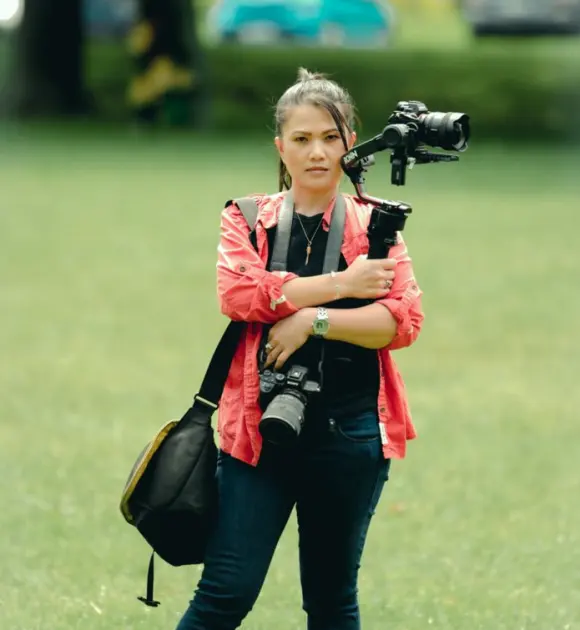
Priya shoots news and event coverage and trains newer operators on handheld and tripod work.
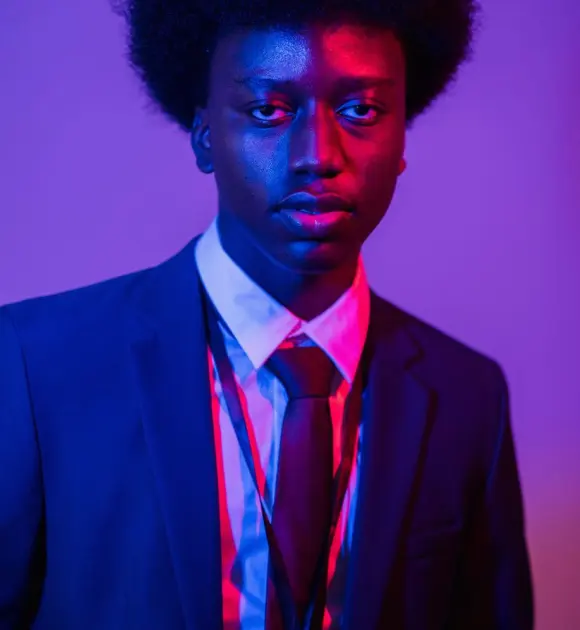
Tom manages delivery schedules and links with broadcasters so every feed arrives on time and in format.
Write to us through the contact page about your event, camera needs, signal routing or delivery. We will reply with questions and a written quotation.
Live broadcasting leaves no time to fix mistakes later, so how a team behaves matters as much as what kit it brings. These principles come from running jobs that cannot go dark. They guide how we plan, speak and handle what we see.
Reliability means the feed is there when the broadcaster expects it. We plan routes in advance, agree fallbacks and test links with the receiving side before transmission. On the day, someone is always watching the signal, and when something goes wrong we act first and explain straight afterwards.
Clarity runs through how we write quotations, plans and job notes. Producers should know what is included, who is responsible for what and what could change the cost. On air, it also means clean framing and clear talkback, so nobody in the chain is guessing.
Discretion matters because we are often at venues and newsrooms before a story is public. We keep client details, schedules and footage to ourselves, share only with the people who need them for the job, and expect the same care from anyone we work alongside.