
Camera crews, signal care and delivery in one place
normalvo covers the full path of a live picture: operators on the shoot, engineers watching the signal from venue to broadcaster, and a coordinator who delivers finished feeds to channels and news desks. Each service can be booked alone or combined for a single job.
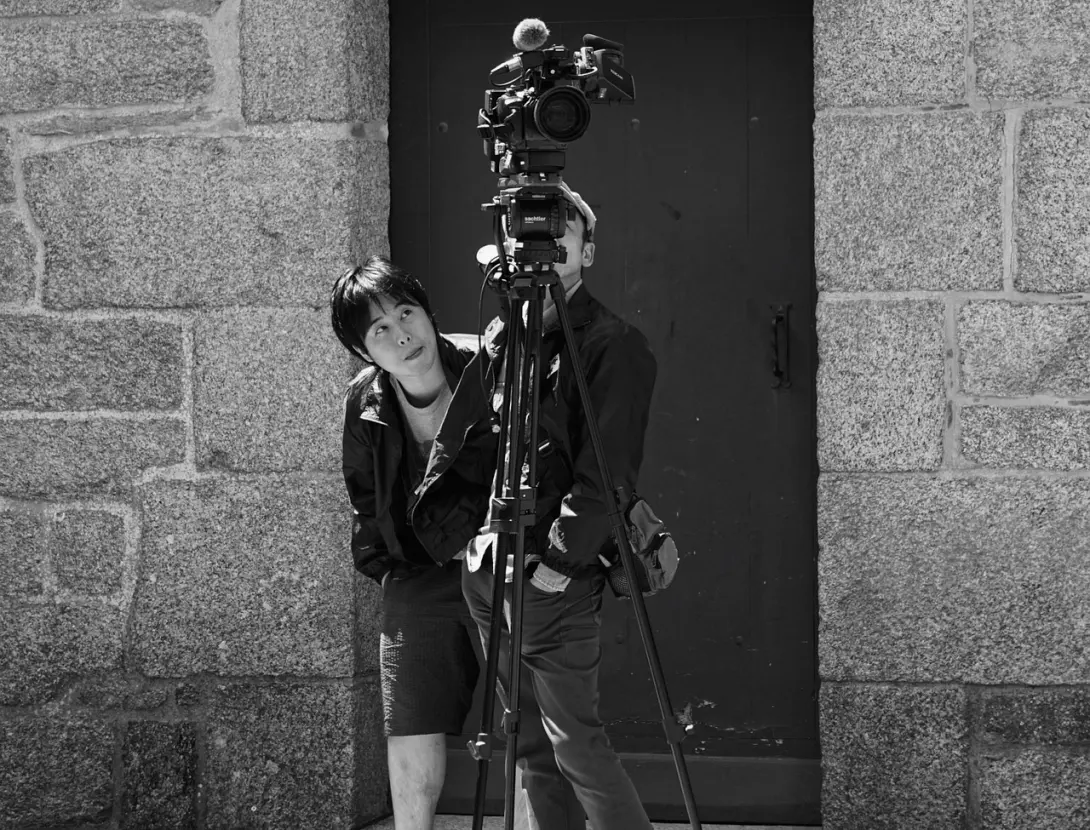
Live Camera Operation
Experienced camera operators for news, studio and outside broadcast shoots across the South West.
Live Signal Management
Monitoring, routing and quality control of live video signals from venue to broadcaster.
Feed Distribution
Delivery of finished feeds to television channels and news desks over secure links.
Concert and Festival Feeds
Multi-camera capture of stages and festival sites, delivered live to broadcasters and screens.
Remote Contribution Kits
Portable encoder and bonding kits for live reports from locations without fixed connections.
Tell us the venue, the broadcaster's format and the transmission time, and we will describe what crew and kit the job needs before anything is confirmed.
ServicesThe equipment and settings behind a live feed
A reliable feed starts with the people on the floor and the equipment in the rack. These scenes show the kind of kit, locations and checks that make up our day-to-day live work.
-
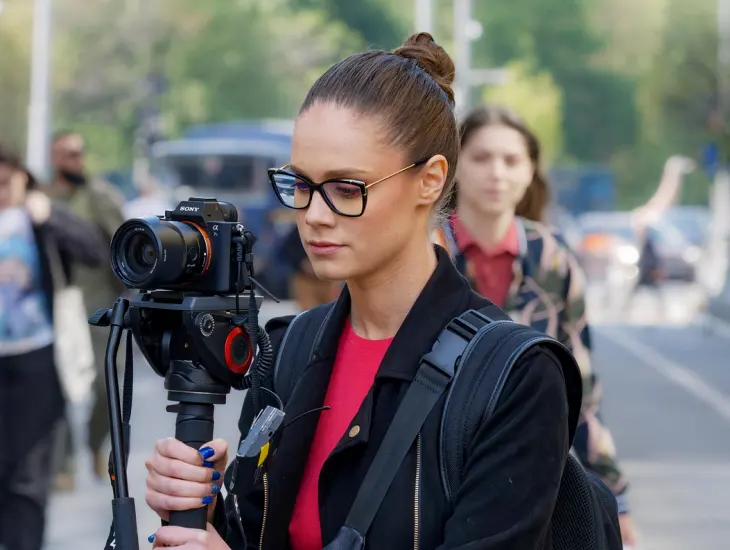
Handheld camera on a news shoot
Handheld work for breaking stories and interviews, where the operator frames quickly, keeps the shot steady and stays aware of what the producer needs in the next thirty seconds.
-
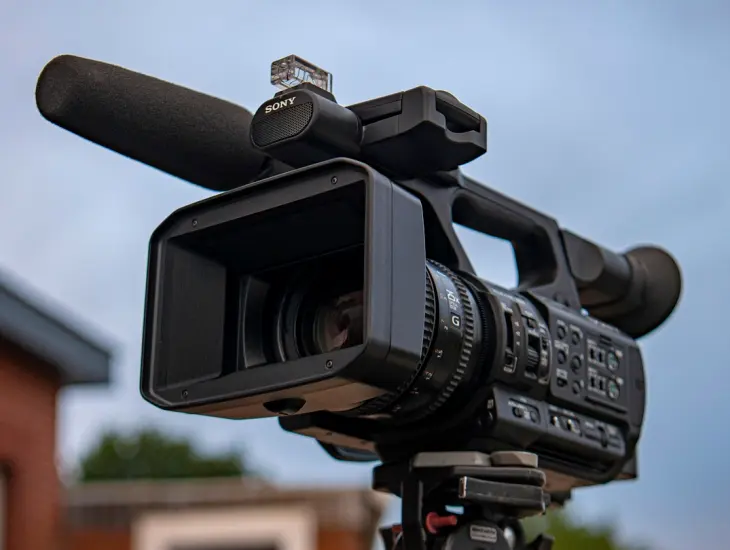
Tripod and studio positions
Locked-off and pedestal shots for studio programmes, set up before rehearsal so framing, focus and cues are agreed with the gallery well ahead of going live.
-
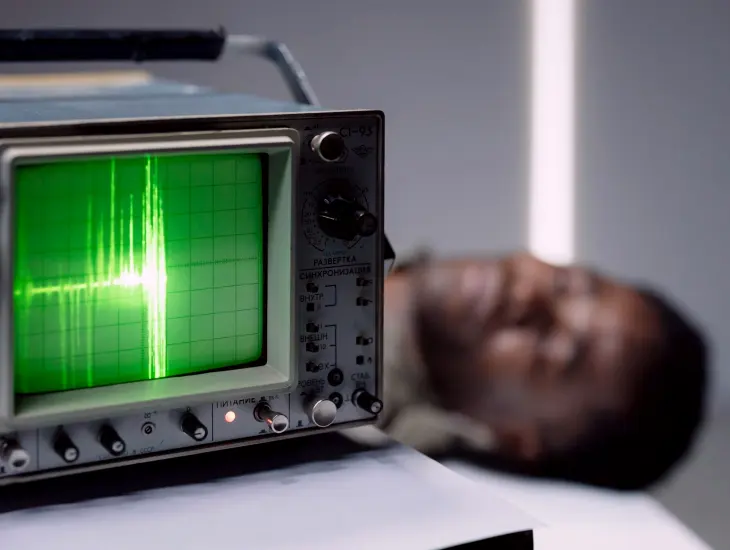
Signal monitoring at the desk
Waveform and picture monitors let the engineer spot drift, dropouts or level problems early, so they can be corrected before the broadcaster ever sees them.
-
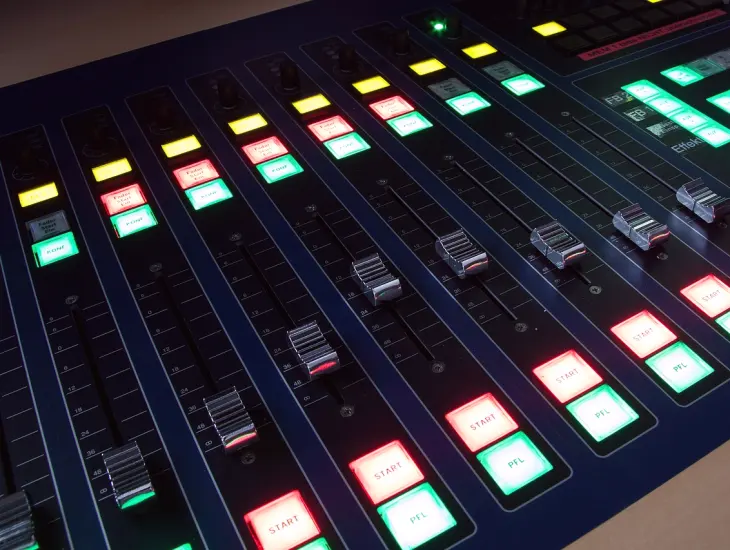
Routing and vision mixing
Sources are routed and checked through the mixer so each camera, graphic and return feed lands where it should, with a clear fallback if one path fails.
-
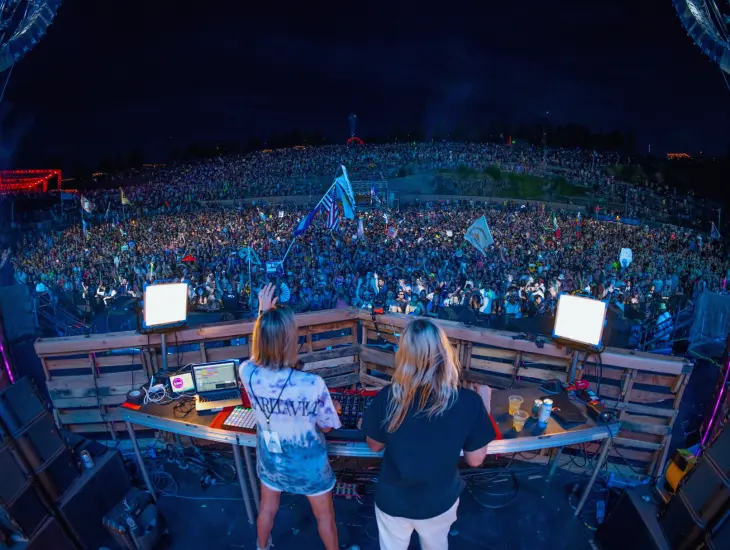
Festival stage coverage
Several cameras around a stage, tied together on site and sent out live, with operators placed to cover performers, crowd and wide establishing shots.
-

Portable encoder for remote reports
A compact encoder and bonding kit lets a reporter go live from a field or harbour wall where no fixed connection exists, using several mobile links together.

A small Exeter team built around live work
normalvo was founded in 2012 by Hannah Whitcombe, who began as a studio camera operator and still oversees scheduling and client relationships for every live job we take.
Our base is at Quay Lane Studios in Exeter. From there, operators, engineers and a distribution coordinator work together so that the person filming and the person delivering the feed are in step.
We keep the team compact on purpose. Producers deal with the same few people from first call to transmission, which keeps instructions clear and cuts the chance of something being lost between departments.
About →From first enquiry to a feed delivered on time
Live jobs leave little room for improvisation, so each one follows the same sequence. We find out what the broadcaster needs, plan the crew and signal path, test beforehand and stay on hand until transmission ends.
Enquiry and brief
You tell us the venue, date, number of cameras, delivery format and who receives the feed. We ask about access, power and connectivity at the site, and note any contact on the broadcaster's side.
What you leave withA shared written brief covering venue, format and recipients
Crew and signal plan
Marcus designs the routing and monitoring layout while Hannah assigns operators. The plan sets camera positions, link types and a fallback path should the main route fail.
What you leave withA crew list and signal path agreed with you
Quotation and confirmation
We send a written quotation for the crew, kit and delivery involved. Once you confirm in writing, the job is held in our schedule and an invoice follows by bank transfer.
What you leave withA written quotation and confirmation for the job
Setup and testing
The team arrives early, rigs cameras, checks levels and sends test pictures to the broadcaster. Any fault is found and fixed before the live window opens.
What you leave withA tested feed signed off by the receiving desk
Live delivery and wrap
Operators shoot, engineers watch the signal and Tom handles the link to the broadcaster until the programme closes. Afterwards we note anything that should change next time.
What you leave withA completed transmission and brief notes for future jobs
-

How-to guide
Briefing a Camera Operator for a Live News Shoot: A Practical Guide
A step-by-step guide to briefing a camera operator before a live news or studio shoot, so the crew arrives knowing the running order, the shots and the people involved.
-

Signal Management
A Checklist for Judging Live Signal Management Before You Commit
Before you hand a live programme to anyone, work through these questions on monitoring, routing and fallback paths so the signal holds from venue to broadcaster.
-

Feed Distribution
Feed Distribution: Common Mistakes and How to Avoid Them
Most failed deliveries come down to a few repeatable errors in format, timing and link planning. Here is what we see go wrong when feeds are sent to news desks, and how to prevent it.
Send details of your shoot, event or report through the contact page. We will reply with questions and a written quotation covering camera operation, signal management or feed distribution as required.